
Before You Panic, Let's Talk About Gas.
June 13, 2026 · 3 min read
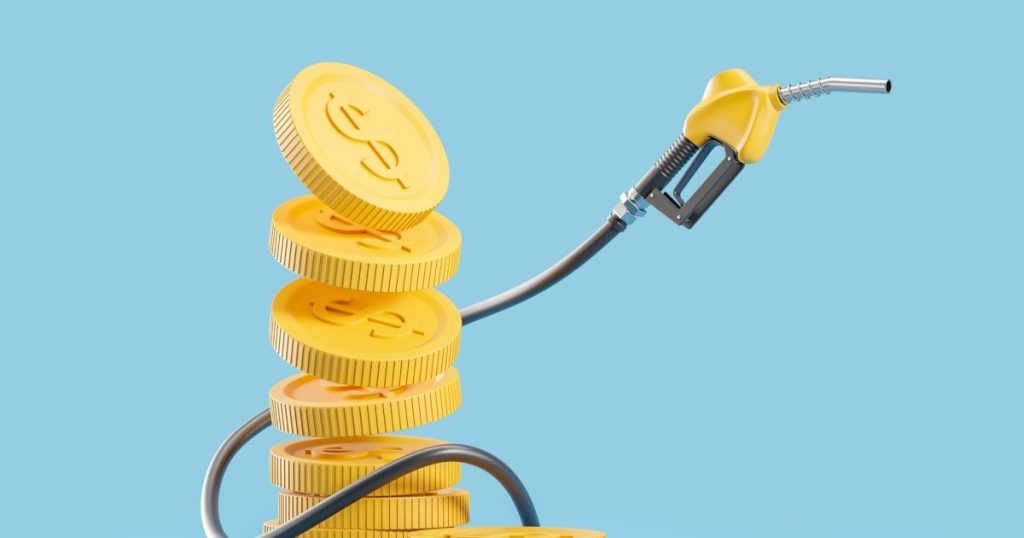
So the new inflation number landed this week, and it’s a big one: 4.2%. That’s the kind of figure that makes you want to cancel your weekend plans and start rationing coffee. Before you do either, let me show you what’s actually happening underneath that scary headline, because the real story is a lot calmer than the number makes it look.
Let’s start with the basics. The number everyone’s reacting to is the Consumer Price Index, or CPI, which is just the government’s way of tracking how much a typical basket of stuff costs compared to a year ago. The Bureau of Labor Statistics reported on June 10 that prices rose 4.2% over the past 12 months, up from 3.8% the month before.
But a headline number is an average, and averages are sneaky. When one item in the basket goes wild, it can drag the whole figure up with it. Energy prices jumped 23.5% over the past year, and gasoline by itself is up 40.5%. Energy alone accounted for more than 60% of this month’s entire increase. So that 4.2% isn’t some broad wave of pain — it’s mostly your gas tank, wearing a trench coat, pretending to be the whole economy.
Economists have a trick for seeing through this: core inflation, the same basket with food and energy stripped out. Take them out and inflation was 2.9% over the year, basically flat from 2.8% the month before. Shelter rose 3.4%, groceries were up just 2.7%, and a few things even got cheaper.
Now for my favorite part. That 40.5% gas figure looks backward. Right now, pump prices are dropping — the national average sat at $4.13 a gallon on June 11, down from $4.24 a week earlier and $4.52 a month ago. Three straight weeks of declines.
Here’s what I’d tell a friend who texted me in a panic: almost nothing about your daily budget needs to change because of one headline. The Fed has held its benchmark rate at 3.5% to 3.75%. Mortgage rates are at 6.52% for a 30-year loan. The thing that actually spiked is the one thing you have some control over: fuel.
Loud headlines are loud on purpose, but the calm usually lives in the fine print. This week, the fine print says: breathe, check the pump, and carry on.
Disclaimer: This blog may include AI-generated content derived from web crawling, and it features quotes from original cited inline or public sources. The information presented is for general informational purposes only and may not reflect the most current data or information available. While we strive for accuracy, we encourage readers to verify the information from original sources or reach out to a certified financial adviser for important financial decisions.
© 2026 Finistack LLC. All rights reserved.